Focusing on pulp molding equipment for over 25 years.
Language
Focusing on pulp molding equipment for over 25 years.
The pulping process of waste paper raw material is a complex and delicate process involving multiple stages and steps. The following is a detailed introduction to the pulping process of waste paper raw materials:
At the beginning of the pulping process, the required raw materials need to be prepared. Waste paper raw materials mainly include waste cardboard, waste newspapers, waste book pages, etc. Before these waste paper raw materials enter the pulping process, they usually need to undergo pre-treatment processes such as classification, screening, crushing and impurity removal to ensure the quality and reliability of the raw materials.
In the pulping process, soaking and softening are essential steps. Soaking waste paper raw materials in water helps make the fibers soft and easy to separate. At the same time, adding some chemicals, such as sodium hydroxide, sodium sulfide, etc., can further help softening and deinking. Factors such as soaking time, temperature and chemical dosage need to be adjusted according to actual conditions.
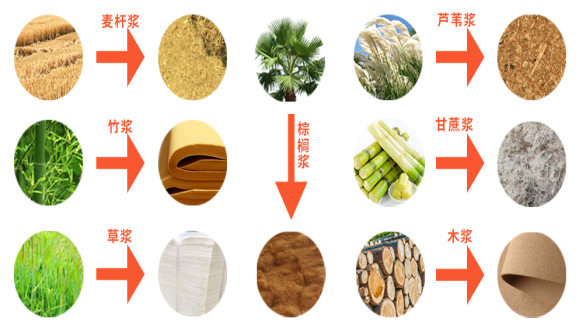
Pulp and residue separation is the process of separating non-fibrous substances and fibers in waste paper raw materials. These non-fibrous materials mainly include plastics, wood chips, dust and other impurities. There are two main methods of slurry separation: mechanical separation and chemical separation. Mechanical separation mainly separates impurities from fibers through centrifuges, screening machines and other equipment; chemical separation uses chemicals to dissolve or decompose impurities from fibers.
Some impurities may still remain in the slurry after slurry separation, so washing and purification are required. This step usually uses water washing and chemical detergent cleaning to remove fine impurities and grease in the slurry. The washed slurry needs to be purified multiple times to ensure the purity of the slurry.
The washed and purified slurry needs to be dehydrated and dried. Dehydration is the removal of water from the slurry, and equipment such as a centrifuge or filter press can be used for dehydration. Drying is to further remove the moisture in the dehydrated pulp cake or pulp strip, usually using a dryer for drying.
After the above steps, the waste paper raw material has turned into pure pulp. At this time, finished products can be processed according to actual needs. For example, adding thickeners can increase the viscosity of pulp; adding pigments can change the color of pulp; adding other additives can improve the properties of pulp, etc. Finally, the processed pulp is pressed into paper or cardboard to obtain the desired finished product.
In short, the pulping process of waste paper raw materials is a complex and delicate process that requires multiple stages and steps to complete. Through reasonable process design and strict operation control, high-quality paper or cardboard products can be produced. At the same time, waste water, waste residue and other waste generated in the pulping process should also be properly processed to achieve sustainable development of waste paper resources.
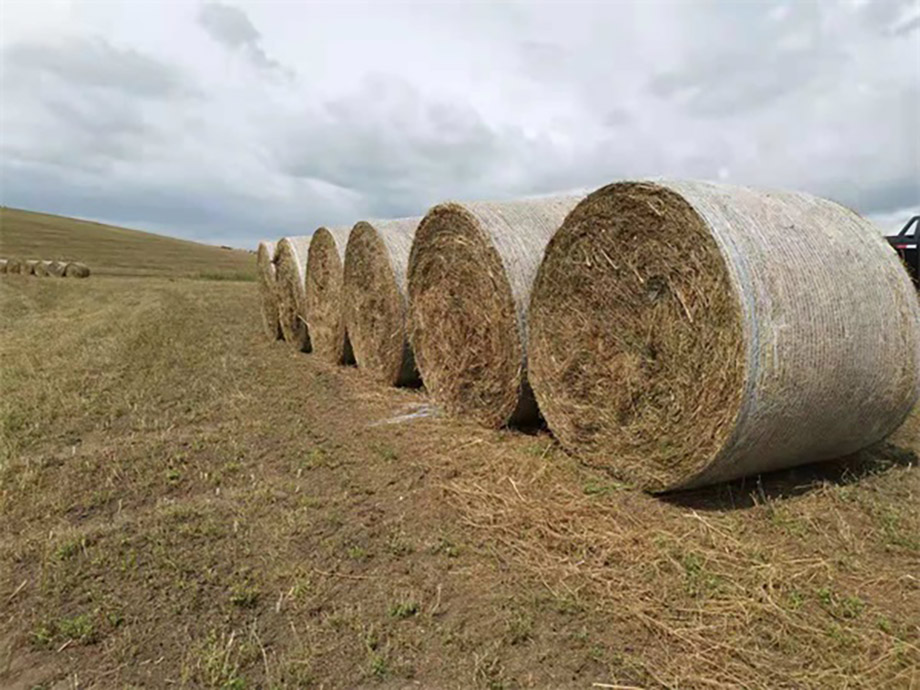
Besure Technology was founded in 1997 and is committed to providing one-stop eco-friendly pulp molding equipment solutions.
 +86 18823150295
 No.5 Yongye Road, Zone A Southwest
Industrial Park, Sanshui District, Foshan, China


Copyright © 2026 BeSure Technology Co., Ltd. - www.mybesure.com All Rights Reserved.粤ICP备2025367321号