Industrial Information
Focusing on pulp molding equipment for over 25 years.
Language
Focusing on pulp molding equipment for over 25 years.
With the improvement of environmental protection awareness and the development of science and technology, pulp molding, as a new green and environmentally friendly material, has attracted more and more attention from the market. The treatment methods from raw materials, production process to final waste can be recycled. The raw materials used are generally bagasse pulp, bamboo pulp, wheat straw pulp, straw pulp, reed pulp and other pulps. what differences are there?
Bamboo pulp pulp molding products, bamboo fiber is a medium-long fiber, the performance is between coniferous wood and hardwood wood, the product made of bamboo pulp has strong toughness, smooth and delicate surface, but it is prone to fluffy fluffy fibers. Products with complex shapes and low pitch and draft angles can be added. Bamboo fiber is currently mostly used in combination with sugarcane fiber to make tableware.
Sugarcane pulp refers to bagasse as raw material, which is made into bagasse pulp through chemical or biological pulping. Sugarcane fiber is a medium-length fiber with moderate strength and toughness. It is currently the most suitable raw material for molding products. Therefore, sugarcane pulp products are currently the most widely used. At present, sugarcane fiber is mostly used in lunch boxes and tableware products, and some high-end mobile phone holders and cosmetic packaging also use this raw material.
Wheat straw pulp molded products are divided into machine-made fiber wheat straw molded products, chemical mechanical wheat straw molded products and chemical wheat straw molded products. Wheat straw pulp has short fibers, good stiffness, brittle products and poor flexibility. Long fibers need to be neutralized in the production process to increase the toughness of the product. It is mostly used in coffee trays and dry pressed products. There are also examples of bleached and natural-colored plastic straw fibers used to make tableware and lunch boxes. In addition, straw fibers are also used in paper for seedling trays, fruit trays, and seedling trays.
Wood pulp is also a raw material for the production of pulp molded products, mainly used in the production of high-end industrial bag products. It is mainly divided into softwood pulp and hardwood pulp. Softwood pulp has long and thin fibers, and the wood pulp is relatively pure and has few impurities. The fibers of hardwood pulp are thick and short, and contain more impurities. The strength of the finished product is relatively low, and the finished product is relatively loose, with strong absorption and high opacity. The paper made from coniferous wood pulp has good flexibility, high folding resistance and good tensile strength. The paper made from hardwood pulp has high bulk, high stiffness and good packaging performance. Therefore, the thickness and density of products produced by different wood pulps will be different. Poplar pulp and eucalyptus pulp are also used in the production of tableware, high-grade egg trays, and high-grade coffee trays.
Reed pulp pulp molded products are mainly used in papermaking. Molded products are mostly used in low-end products. Reed pulp is not easy to remove reed knots in the production process, with more impurities and lower whiteness, but it is cheap and has good water filtration. , because the fibers are fluffy, the finished product with the same weight is thicker and takes up more space.
Palm pulp pulp molded products are products made of fibers extracted from palm fruit and palm leaves. This kind of pulp is rarely used, mainly because palm has a high oil content and is not easy to remove, but it has better stiffness.
Cotton stalk pulp pulp molded products, only use cotton stalks, and use the middle tissue of cotton stalks to produce and process products after removing the surface layer. Cotton stalk fiber molded products have relatively fluffy fibers and poor stiffness, and most of them will be used in low-grade papermaking. .
Melon vine, hemp cotton pulp molded products, melon vine pulp is a general term, domestic melon plants such as yellow flower vine and loofah vine can be used to produce molded products, but different types of fibers will also have great differences. Most of these fibers are short fibers with poor stiffness and impurities are not easy to handle, so they are not widely used.
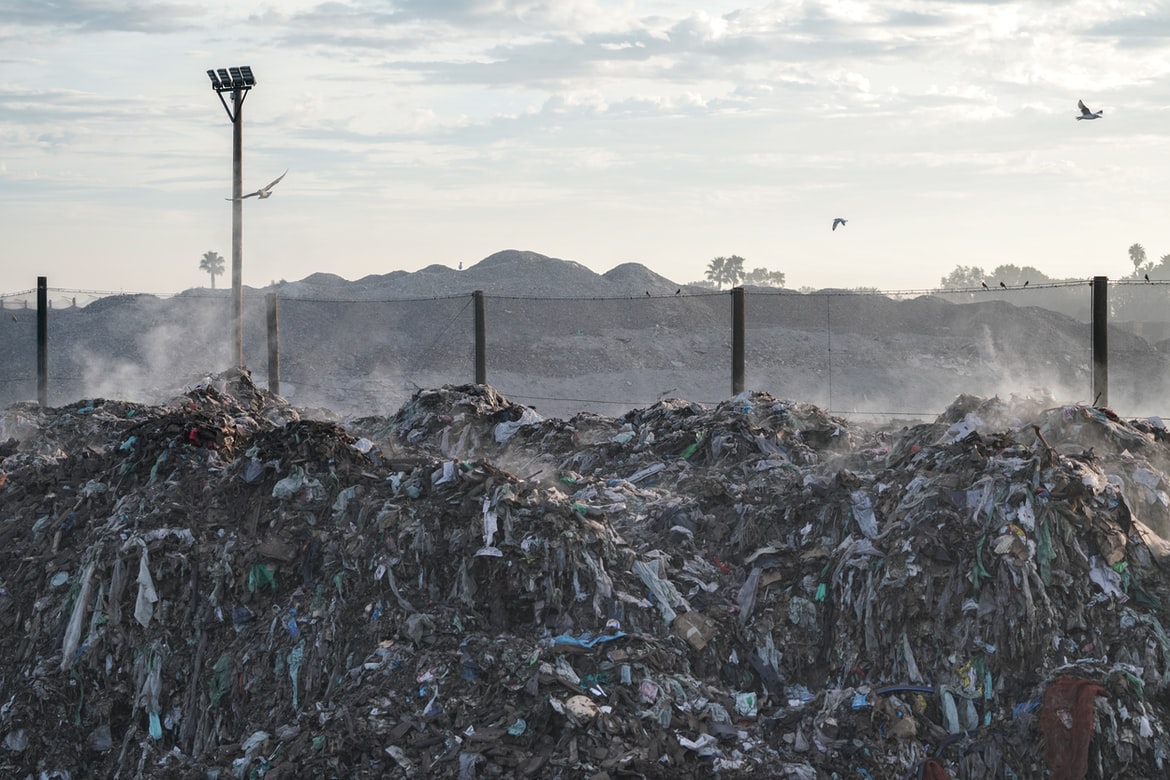
The agricultural and forestry waste pulp molding machine grinds fiber products. The pulping method is used to disperse the plant fiber raw materials into fibers under the action of mechanical force. The pulp produced by this method is called mechanical pulp. The mechanical mold fiber does not separate from lignin and cellulose, and the fiber binding force is poor. It needs to be used in conjunction with chemical-mechanical pulp or chemical pulp. The amount of mechanical mold fiber added should not exceed 50%, and the product after more than 50% is more prone to chipping.
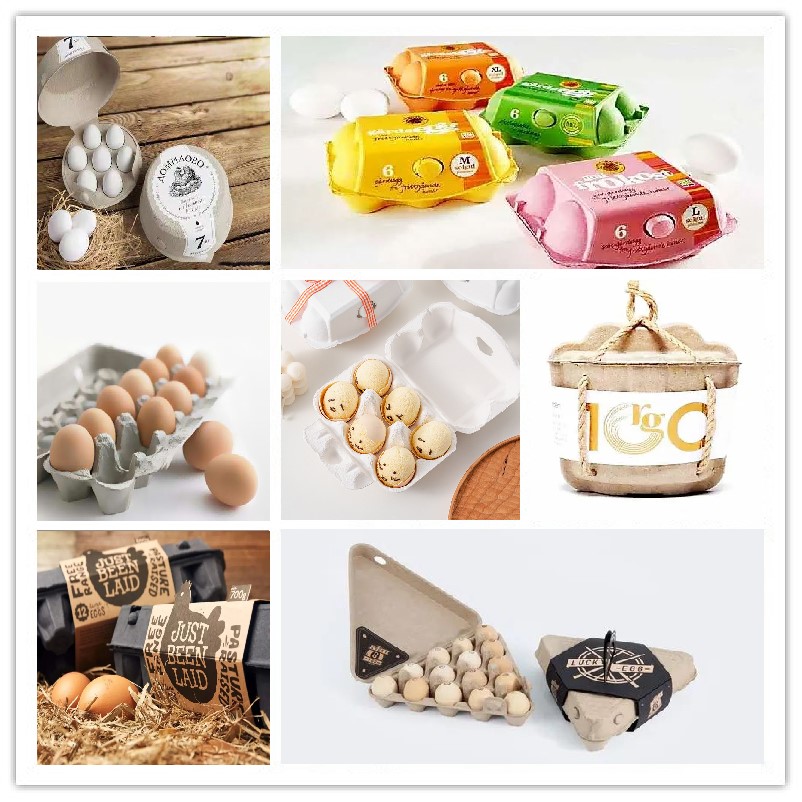
Ordinary waste paper pulp molded products refer to molded products made of carton yellow pulp, newspaper pulp, A4 pulp, etc., which have low hygiene requirements and low prices. Commonly used egg trays, fruit trays, and inner buffer packaging are generally Use these ingredients.
The biggest advantage of biological pulping is that it has a small environmental load, which meets the long-term needs of the country for low-carbon environmental protection. The current technology is still in the process of maturity.
Chemical pulp mainly refers to the pulp made by acid method and alkali method after chemical treatment. This kind of product is fine, smooth and beautiful. The disadvantage is that the cost is relatively high.
Chemical-mechanical pulp refers to a certain chemical treatment before refining, and the resulting pulp is called chemical-mechanical pulp. Chemical-mechanical pulp generally contains higher lignin and cellulose components, lower hemicellulose components, and a higher pulp yield. This type of pulp is mostly used in mid-range molded products, and its cost is higher than that of mechanical pulp, but lower than that of chemical pulp. Its bleaching, hydration and drainage properties are relatively close to mechanical pulp.
As a new green and environmentally friendly material, pulp molding has broad market prospects and development space. Through the understanding of the above characteristics of various pulp raw materials, we can better understand the manufacturing process of pulp molding and provide strong support for future research and development of environmentally friendly products. At the same time, it will also help promote the development of the global environmental protection industry and achieve the goal of sustainable development.
Besure Technology was founded in 1997 and is committed to providing one-stop eco-friendly pulp molding equipment solutions.
 +86 18823150295
 No.5 Yongye Road, Zone A Southwest
Industrial Park, Sanshui District, Foshan, China


Copyright © 2026 BeSure Technology Co., Ltd. - www.mybesure.com All Rights Reserved.粤ICP备2025367321号