Focusing on pulp molding equipment for over 25 years.
Language
Focusing on pulp molding equipment for over 25 years.
In an era where sustainability and environmental consciousness are at the forefront of our minds, finding innovative solutions to reduce waste has become a paramount concern. One such solution lies in the realm of molded pulp products. These versatile and eco-friendly alternatives are revolutionizing the way we package and protect our goods, while significantly minimizing our carbon footprint. From egg cartons to takeout containers, molded pulp products offer a sustainable alternative to traditional plastic and foam-based packaging materials. Not only are they biodegradable and compostable, but they are also made from 100% recycled paper, making them a truly renewable resource. Join us as we delve into the world of molded pulp products and explore how they are helping businesses and individuals alike, reduce waste and create a greener future for generations to come.
Traditional packaging materials, such as plastic and foam, have had a detrimental impact on the environment. Plastic packaging, in particular, has become a major source of pollution. It takes hundreds of years for plastic to decompose, and during this time, it can release harmful chemicals into the soil and water, endangering wildlife and human health. Foam packaging, on the other hand, is made from non-renewable resources and is not biodegradable, further contributing to the accumulation of waste in landfills.
Molded pulp products offer a range of benefits, making them an attractive alternative to traditional packaging materials. Firstly, they are biodegradable and compostable, meaning that they can easily break down and return to the environment without leaving any harmful residues. This makes them an excellent choice for industries and individuals looking to reduce their environmental impact. Secondly, molded pulp products are made from 100% recycled paper, reducing the demand for new raw materials and conserving natural resources. Additionally, molded pulp products are sturdy and offer excellent protection for fragile items, making them a reliable choice for packaging.
Molded pulp products come in a variety of forms, making them suitable for a wide range of applications. One of the most common molded pulp products is the egg carton. These cartons are not only biodegradable and compostable but also provide excellent protection for eggs, preventing breakage during transportation. Other popular molded pulp products include takeout containers, which are a sustainable alternative to plastic and foam containers, and molded pulp trays, which are used for packaging electronics and other delicate items. The versatility of molded pulp products makes them an ideal choice for businesses in various industries.
Molded pulp products have found applications in numerous industries, contributing to waste reduction and environmental sustainability. In the food industry, molded pulp products are used for packaging produce, meats, and dairy products. They are also widely used in the electronics industry, where they provide a protective cushion for delicate components during shipping. Additionally, molded pulp products are used in the medical industry for the packaging of medical devices and supplies. The wide range of applications for molded pulp products demonstrates their versatility and ability to replace traditional packaging materials in various sectors.
The production process of molded pulp products involves several steps. First, recycled paper is mixed with water to create a slurry. The slurry is then poured into molds, which are designed to give the desired shape and structure to the final product. Once the molds are filled, excess water is drained, and the pulp is pressed to remove any remaining moisture. The pressed pulp is then dried using heat or air, depending on the desired finish. Finally, the dried molded pulp products are trimmed and inspected for quality before being ready for use. This process ensures that molded pulp products are not only environmentally friendly but also meet the required standards of durability and functionality.
To make the most of molded pulp products, it is important to follow a few simple tips. When using molded pulp products for packaging, ensure that the items being packed are properly secured to prevent movement during transportation. This will help to minimize the risk of damage. Additionally, it is important to dispose of molded pulp products correctly. While they are biodegradable and compostable, it is recommended to check local recycling guidelines to ensure they are recycled properly. By following these tips, you can maximize the benefits of molded pulp products and contribute to a more sustainable future.
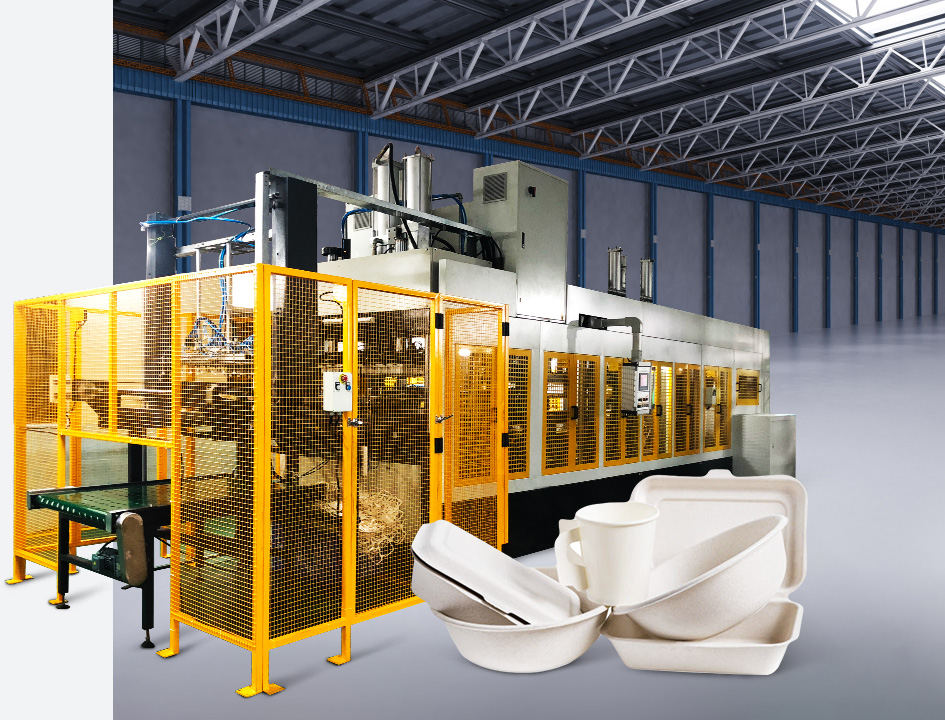
Numerous companies have embraced molded pulp products as a sustainable packaging solution. One such company is an e-commerce giant that has replaced its traditional plastic packaging with molded pulp trays. By doing so, they have significantly reduced their carbon footprint and have seen a positive response from environmentally-conscious consumers. Another case study involves a local grocery store that switched to molded pulp egg cartons. Not only did this change attract environmentally-conscious customers, but it also reduced the store's waste and disposal costs. These case studies highlight the success and positive impact of using molded pulp products for packaging.
While molded pulp products offer many advantages, they also come with a few challenges and limitations. One challenge is their relatively higher production cost compared to plastic and foam packaging materials. However, as demand for sustainable packaging continues to grow, economies of scale are expected to drive down the cost of molded pulp products. Another limitation is their susceptibility to water damage. Molded pulp products can lose their structural integrity if exposed to excessive moisture, limiting their use in certain applications. Despite these challenges, ongoing research and development are focused on overcoming these limitations and expanding the applications of molded pulp products.
The future of molded pulp products looks promising. As businesses and individuals become increasingly aware of the need for sustainable packaging solutions, the demand for molded pulp products is expected to rise. Advancements in technology and manufacturing processes are likely to improve the durability and functionality of molded pulp products, making them even more attractive to consumers. Additionally, as more countries implement stricter regulations on plastic and foam packaging, the use of molded pulp products is likely to become more widespread. With their eco-friendly nature and versatility, molded pulp products are poised to play a significant role in reducing waste and creating a greener future.
In conclusion, molded pulp products offer a sustainable alternative to traditional packaging materials, helping businesses and individuals reduce waste and minimize their environmental impact. With their biodegradability, compostability, and use of recycled materials, molded pulp products are a truly renewable resource. Their versatility and ability to protect fragile items make them suitable for a wide range of applications, from food packaging to electronics. While there are challenges and limitations associated with molded pulp products, ongoing research and development are aimed at overcoming these obstacles. As the demand for sustainable packaging continues to grow, the future of molded pulp products looks promising. By embracing molded pulp products, we can all contribute to a greener and more sustainable future for generations to come.
Besure Technology was founded in 1997 and is committed to providing one-stop eco-friendly pulp molding equipment solutions.
 +86 18823150295
 No.5 Yongye Road, Zone A Southwest
Industrial Park, Sanshui District, Foshan, China


Copyright © 2026 BeSure Technology Co., Ltd. - www.mybesure.com All Rights Reserved.粤ICP备2025367321号