Focusing on pulp molding equipment for over 25 years.
Language
Focusing on pulp molding equipment for over 25 years.
From Waste to Worth: Exploring the Benefits of Rotary Pulp Molding Machines
Are you looking for an innovative solution to transform waste into a valuable resource? Look no further than rotary pulp molding machines. These cutting-edge machines have revolutionized the way we deal with waste products, offering a sustainable and cost-effective alternative to traditional manufacturing processes.
With rotary pulp molding machines, waste materials such as recycled paper and cardboard can be turned into high-quality products like packaging trays, disposable tableware, and even egg cartons. This eco-friendly method not only reduces landfill waste but also minimizes the need for virgin materials, making it a win-win for both the environment and businesses.
One of the key advantages of rotary pulp molding machines is their versatility. They can produce a wide range of product designs and sizes, allowing manufacturers to meet the unique needs of their customers. Furthermore, these machines operate with high efficiency, enabling fast production rates and maximizing productivity.
Investing in rotary pulp molding machines not only showcases your commitment to sustainability but also provides a lucrative opportunity to tap into the growing market demand for eco-friendly products. Isn't it time to turn waste into worth with rotary pulp molding machines?
Rotary pulp molding is a unique process that involves the use of waste materials, such as recycled paper and cardboard, to create a wide range of high-quality products. The process begins with the collection and sorting of waste materials, which are then shredded and mixed with water to create a pulp. This pulp is then poured into molds that are mounted on a rotating carousel. As the carousel turns, the pulp evenly distributes and adheres to the mold walls, forming the desired shape. Once the pulp has dried, the finished product can be removed from the mold, ready for use.
The rotary pulp molding process offers several advantages over traditional molding techniques. Firstly, it allows for the production of complex and intricate designs, ensuring that manufacturers can meet the unique needs of their customers. Additionally, the process is highly efficient, with multiple molds being used simultaneously and a fast drying time, resulting in high production rates and increased productivity.
There are numerous advantages to using rotary pulp molding machines for your manufacturing needs. One of the key benefits is the ability to utilize waste materials that would otherwise end up in landfills. By recycling paper and cardboard, rotary pulp molding machines contribute to a reduction in landfill waste, helping to protect the environment and conserve valuable resources.
Furthermore, rotary pulp molding machines offer a sustainable alternative to traditional manufacturing processes that rely heavily on virgin materials. By utilizing waste materials, manufacturers can minimize their dependence on natural resources, reducing their carbon footprint and promoting a circular economy.
In addition to their environmental benefits, rotary pulp molding machines also offer economic advantages. The cost-efficiency of the process, combined with the ability to produce a wide range of products, makes rotary pulp molding an attractive option for businesses. By investing in this technology, manufacturers can reduce production costs and increase profit margins.
Rotary pulp molding machines play a crucial role in addressing the global waste problem and promoting sustainable practices. By transforming waste materials into valuable products, these machines significantly reduce the amount of waste that ends up in landfills. This helps to mitigate the environmental impact of waste disposal, including the release of harmful greenhouse gases and the contamination of soil and water sources.
In addition to waste reduction, rotary pulp molding machines also contribute to the conservation of natural resources. By utilizing recycled materials, such as paper and cardboard, manufacturers can minimize their reliance on virgin resources, such as trees. This helps to preserve forests, which are vital for maintaining biodiversity, regulating climate patterns, and providing habitat for countless species.
Furthermore, the use of rotary pulp molding machines results in a lower carbon footprint compared to traditional manufacturing processes. The energy consumption and emissions associated with producing products from recycled materials are significantly lower than those associated with producing products from virgin materials. This makes rotary pulp molding a sustainable choice for businesses looking to minimize their environmental impact.
In addition to their environmental benefits, rotary pulp molding machines offer significant cost savings for manufacturers. The use of waste materials, such as recycled paper and cardboard, reduces the need for expensive virgin materials. This can result in substantial cost reductions, especially for businesses that rely heavily on packaging or disposable products.
Moreover, the efficient production process of rotary pulp molding machines allows for high production rates and increased productivity. The ability to produce multiple products simultaneously, combined with the fast drying time of the pulp, ensures that manufacturers can meet market demands efficiently. This not only saves time but also reduces labor costs, making rotary pulp molding an attractive option for businesses looking to improve their bottom line.
Rotary pulp molding machines offer a wide range of applications and can be used in various industries. One of the most common applications is the production of packaging trays. These trays can be custom-designed to fit specific products, providing secure and eco-friendly packaging solutions. Additionally, rotary pulp molding machines are ideal for manufacturing disposable tableware, such as plates, bowls, and cups. The ability to produce these products from recycled materials makes them an excellent choice for businesses looking to reduce their environmental impact.
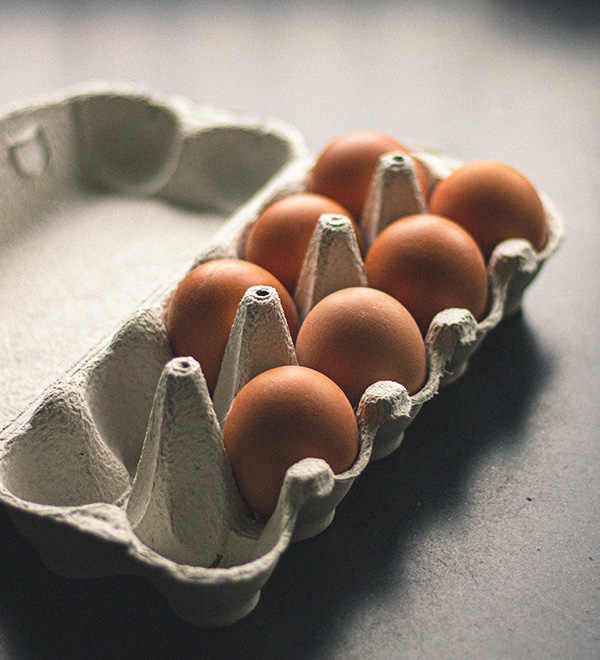
Another industry that can benefit from rotary pulp molding is the food industry. The use of rotary pulp molding machines allows for the production of egg cartons, which are essential for the safe transportation and storage of eggs. These cartons can be designed to protect eggs from damage and ensure their freshness.
Furthermore, the cosmetic and electronics industries can also benefit from rotary pulp molding. The ability to produce custom-shaped packaging for cosmetics and delicate electronic components ensures that these products are protected during transportation and storage.
While rotary pulp molding machines offer numerous advantages, it's important to consider how they compare to other molding techniques. One of the main advantages of rotary pulp molding is its ability to produce complex and intricate designs. This sets it apart from other techniques, such as injection molding, which may have limitations when it comes to design flexibility.
Additionally, rotary pulp molding machines offer a more sustainable and cost-effective alternative to other molding techniques. The use of waste materials and the energy-efficient production process make rotary pulp molding a greener option compared to techniques that rely on virgin materials and consume more energy.
However, it's important to note that rotary pulp molding may have limitations when it comes to the strength and durability of the finished products. While suitable for many applications, products made through rotary pulp molding may not be as robust as those made through other molding techniques, such as plastic injection molding.
When considering investing in a rotary pulp molding machine, there are several factors to take into account. Firstly, it's important to assess the specific needs of your business and determine the types of products you wish to produce. This will help you choose a machine that can accommodate your requirements in terms of size, design complexity, and production capacity.
Additionally, you should consider the availability of waste materials in your area. The abundance and quality of recycled paper and cardboard can vary depending on your location, so it's important to assess the feasibility and cost-effectiveness of sourcing these materials.
Furthermore, it's crucial to evaluate the reliability and reputation of the manufacturer. Investing in a high-quality machine from a reputable manufacturer will ensure that you receive a reliable, durable, and efficient piece of equipment that will meet your production needs for years to come.
Many businesses have already experienced the benefits of rotary pulp molding machines and have successfully integrated them into their manufacturing processes. One such success story is XYZ Packaging, a company that specializes in sustainable packaging solutions. By investing in rotary pulp molding machines, XYZ Packaging was able to reduce their carbon footprint and offer eco-friendly packaging options to their customers. This not only helped them attract environmentally conscious consumers but also improved their bottom line by reducing production costs.
Another example is ABC Tableware, a company that manufactures disposable tableware from recycled materials. By utilizing rotary pulp molding machines, ABC Tableware was able to produce high-quality products that met market demands efficiently. The ability to customize the design and size of their tableware allowed them to cater to a wide range of customers, from small cafes to large catering companies.
These case studies demonstrate the potential of rotary pulp molding machines to transform waste into worth, benefiting both the environment and businesses.
The future of rotary pulp molding looks promising, with increasing awareness of the need for sustainable manufacturing practices. As more businesses strive to reduce their environmental impact and meet consumer demands for eco-friendly products, rotary pulp molding machines offer a viable solution.
By transforming waste materials into valuable products, rotary pulp molding machines contribute to waste reduction, conservation of natural resources, and the promotion of a circular economy. Their cost-efficiency and versatility make them an attractive option for businesses across various industries.
As technology continues to advance, it is likely that rotary pulp molding machines will become even more efficient and capable of producing a wider range of products. This, in turn, will further drive the adoption of this sustainable manufacturing technique and contribute to a greener and more sustainable future.
Investing in rotary pulp molding machines not only showcases your commitment to sustainability but also provides a lucrative opportunity to tap into the growing market demand for eco-friendly products. So why wait? Isn't it time to turn waste into worth with rotary pulp molding machines?
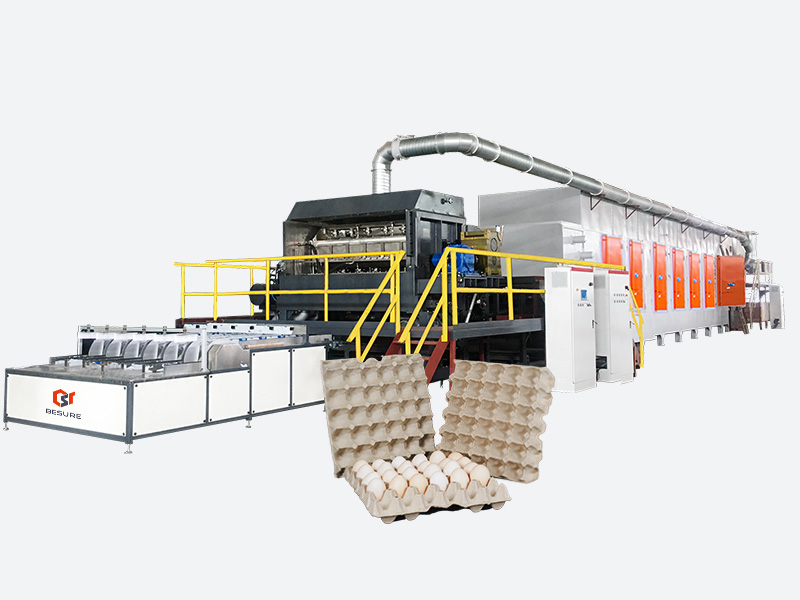
Besure Technology was founded in 1997 and is committed to providing one-stop eco-friendly pulp molding equipment solutions.
 +86 18823150295
 No.5 Yongye Road, Zone A Southwest
Industrial Park, Sanshui District, Foshan, China


Copyright © 2026 BeSure Technology Co., Ltd. - www.mybesure.com All Rights Reserved.粤ICP备2025367321号